Patent research and drafting workspace

Patent drafting with the evidence attached.

Patendra gives patent teams one workspace to search prior art, shape claims, surface key examination issues, and assemble an editable first draft. Important findings stay linked to their source, so review starts with evidence instead of guesswork.

  • Artifacts stay local
  • Bring your own model
  • Attorney review remains required
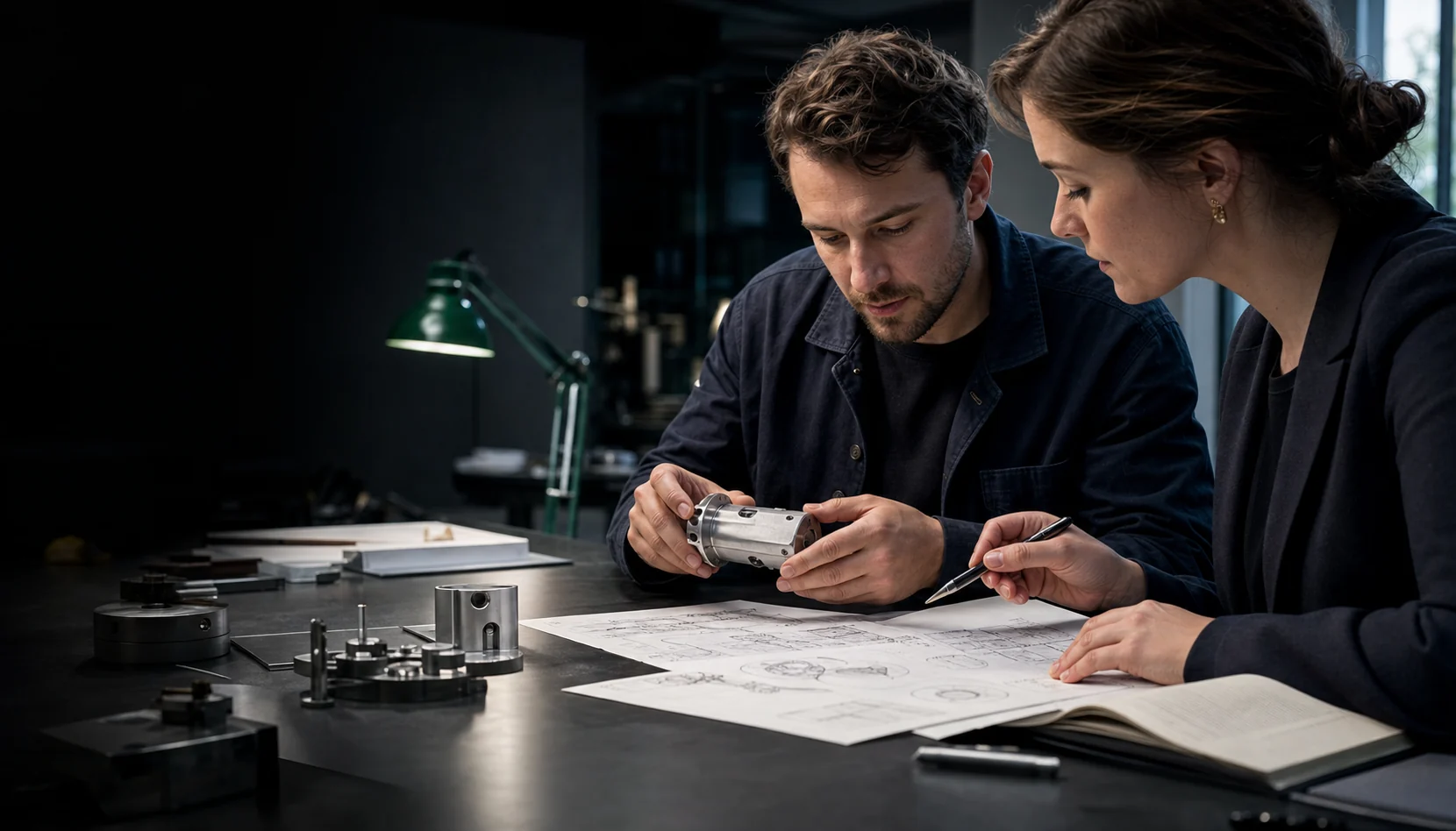
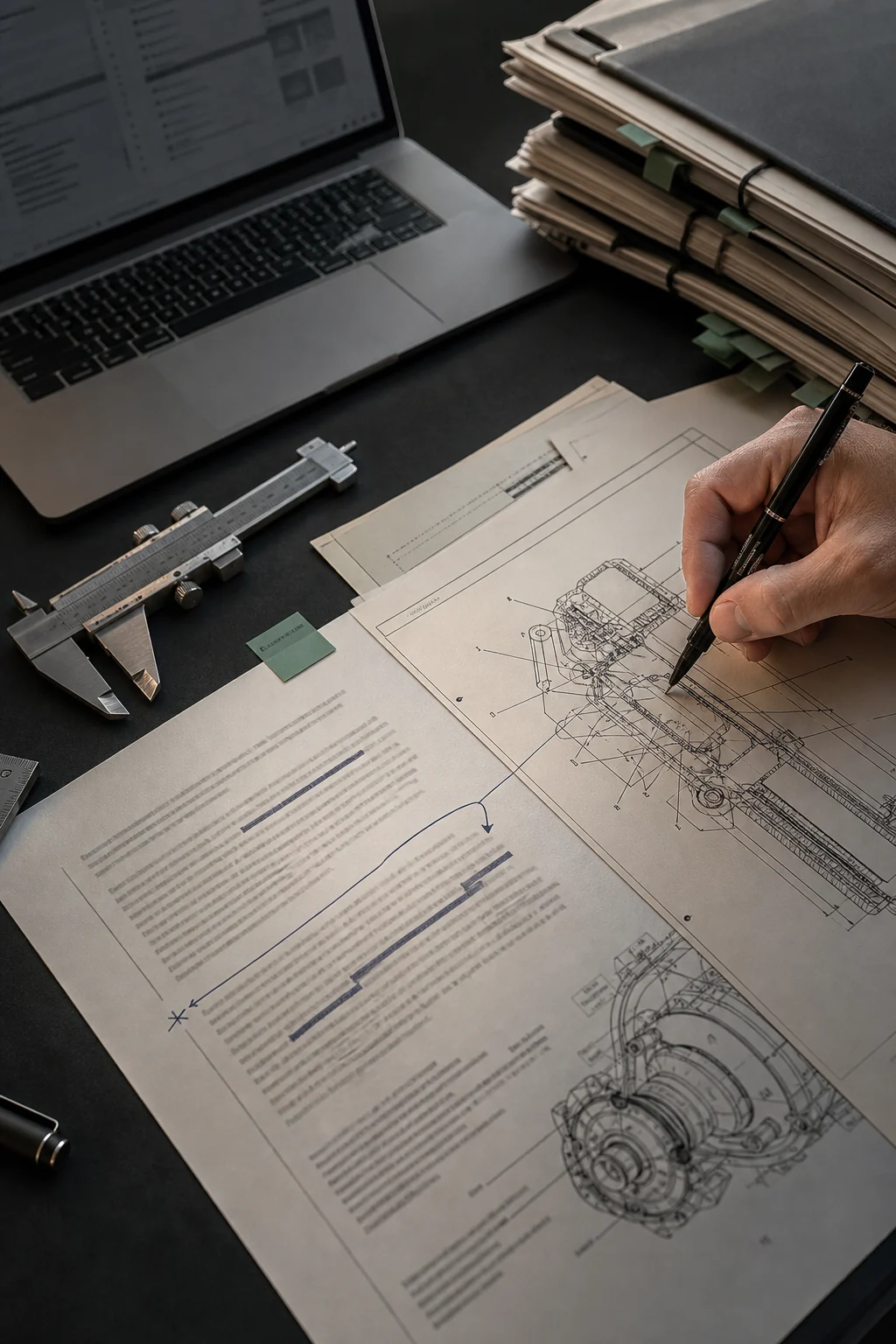
An engineer and patent professional reviewing a precision component and technical drawings
Precision drive · Matter 024 Review
Search coverageSources verified
Limitation links4 of 5 mapped
Claim 1§112(a) review
Illustrative matter output. Simulated review supports strategy and does not predict an examiner outcome.

One matter workspace for the work that usually fragments across tabs, prompts, spreadsheets, and drafts.

USPTO Espacenet Google Patents Local corpus

AI can produce text. Patent teams need traceability.

A persuasive draft is not a long answer from a chatbot. It is a chain of technical disclosure, retrieved evidence, claim choices, and human review that stays intact.

Generic AI workflow

  • 01
    Context disappears between promptsDisclosure, search results, claims, and edits live in separate conversations.
  • 02
    Confident prose hides weak coverageA polished answer can look complete even when retrieval was thin or failed.
  • 03
    Every output becomes cleanupTeams copy, reconcile, cite, format, and rebuild the reasoning by hand.

See the whole matter, not another chat.

Explore an illustrative matter across retrieval, claim development, examination review, and first-draft assembly.

Patendra

Precision drive assembly · Utility application

Matter active

Illustrative interface and example matter. Patent IDs and legal conclusions are intentionally omitted.

Less time rebuilding context. More time making the decisions that matter.

Prior art

Search by limitation, not just topic.

Break a claim into technical elements, search each one, and inspect whether a single reference or a combination actually covers the language.

Claims

Strengthen claims with the reason attached.

Compare claim versions against cited passages, flag unsupported language, and keep an audit trail of material changes.

Drafting

Carry reviewed context into the first draft.

Assemble sections from the same matter record so terminology, disclosure gaps, claim choices, and source notes do not disappear.

Built for inventions that do not fit inside a prompt box.

Semiconductor processes, life-science devices, and precision machines demand exact language. Patendra keeps the technical record visible while the claims take shape.

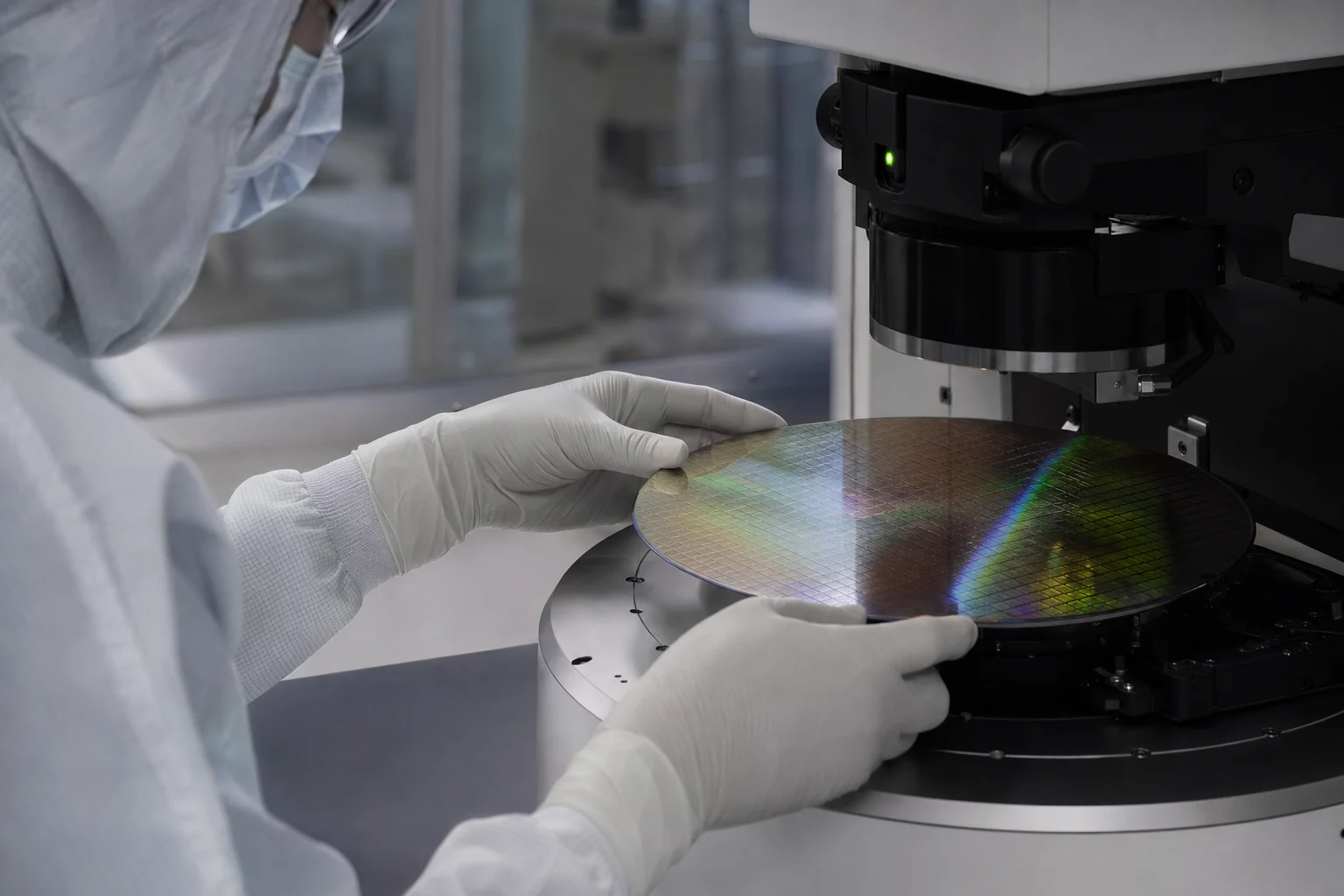
A semiconductor engineer positioning a silicon wafer in a metrology station
Semiconductor systemsProcess steps, device structure, and control logic.
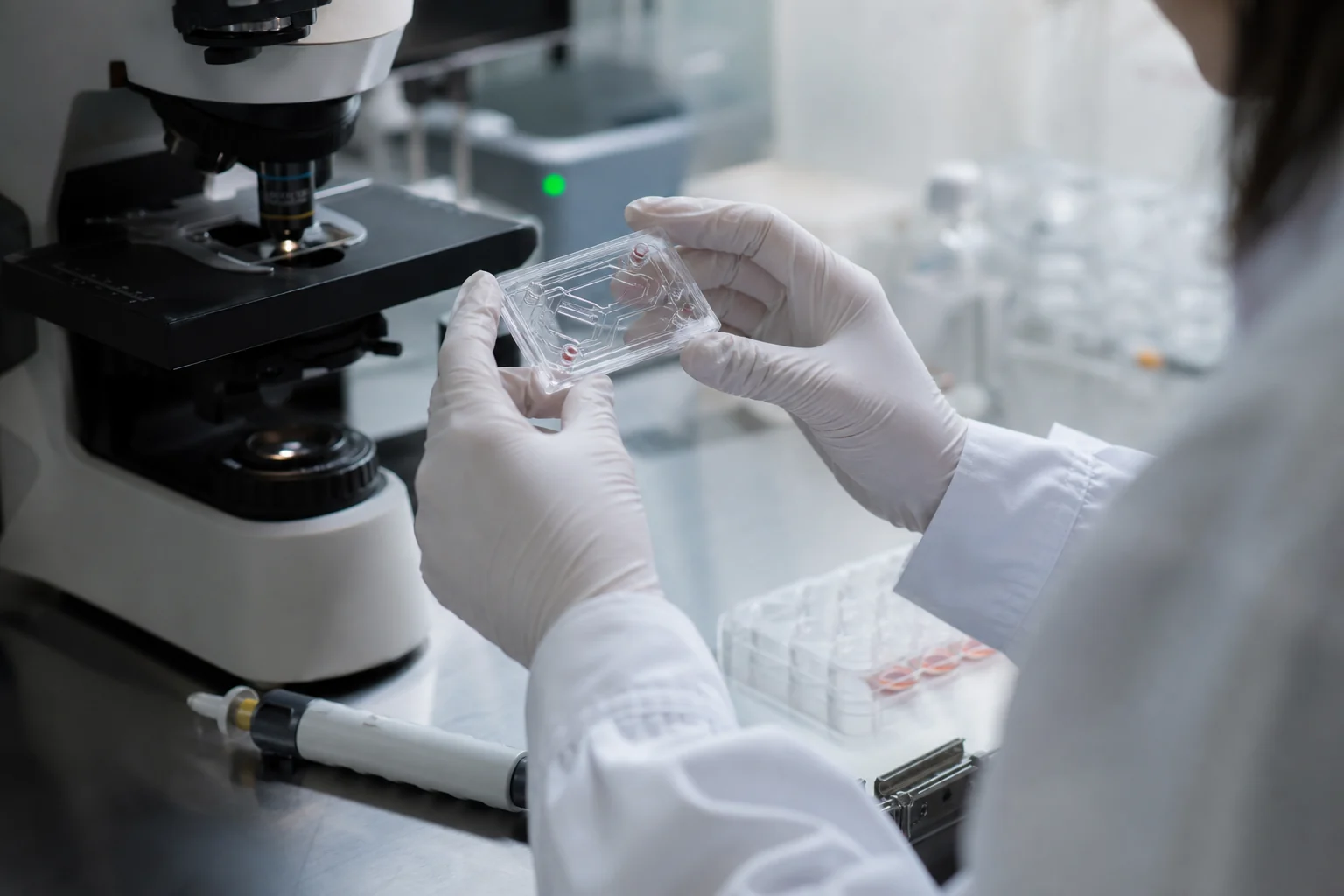
A researcher inspecting a microfluidic cartridge beside a microscope
Life-science devicesFluid paths, assay mechanics, and instrument interaction.
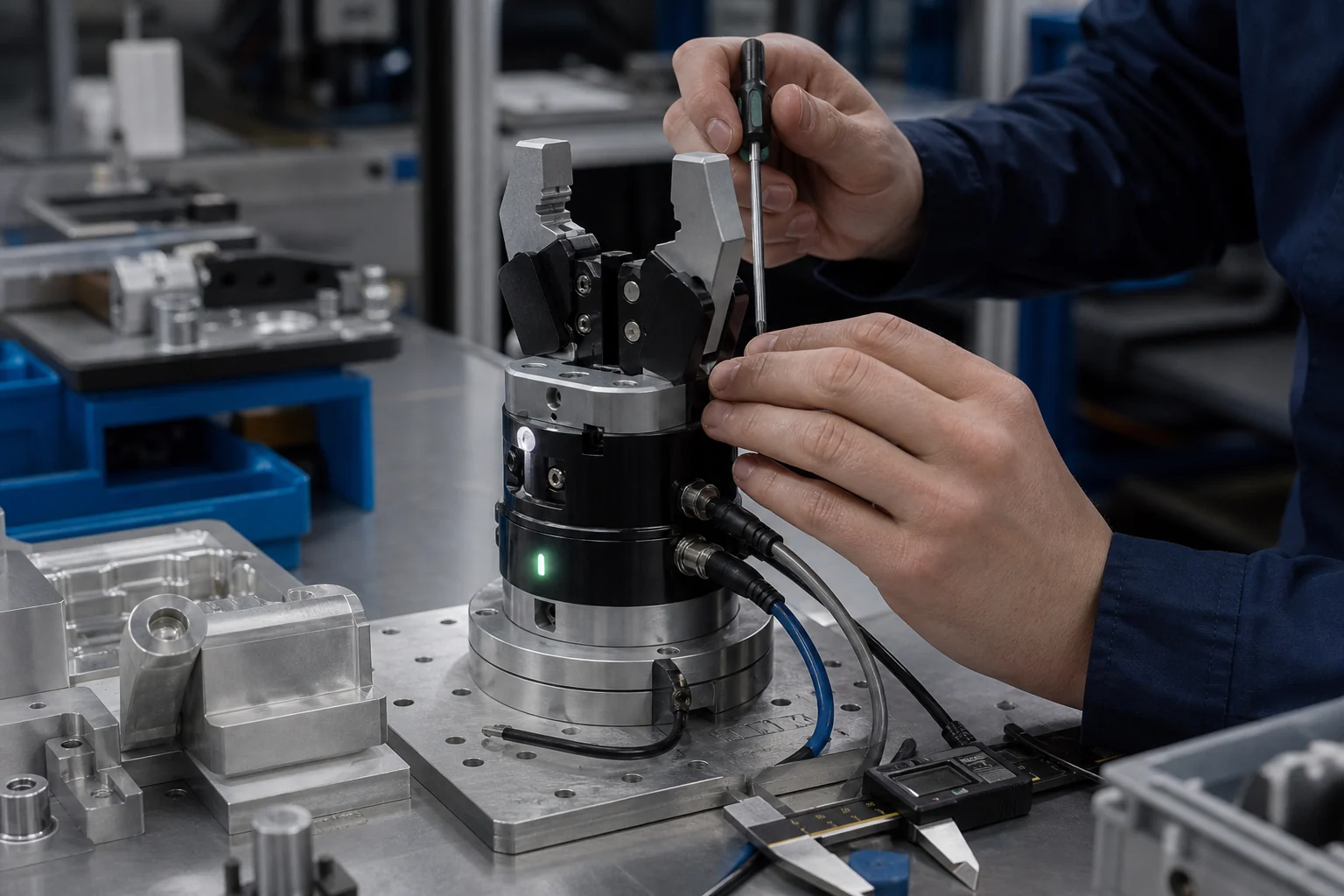
An engineer calibrating a compact industrial robotic gripper
Robotics and manufacturingSensing, actuation, calibration, and mechanical detail.
Technical drawings, claim pages, and measurement tools arranged for evidence review
Sources, claim notes, and review history

Designed to show its work, including where the work is weak.

Patendra is most useful when it makes uncertainty visible. Search failures, incomplete coverage, unsupported claim language, and unresolved review items should never be disguised as a high score.

  • 01
    Retrieved passages stay next to the claim limitation.

    Review the source that drove a suggestion without reconstructing the search later.

  • 02
    Model suggestions stay separate from retrieved facts.

    Generated reasoning is presented for review, not silently promoted into a legal conclusion.

  • 03
    Thin search coverage is a warning, not a win.

    If sources fail or retrieval is weak, the matter stays unresolved and tells you what to do next.

  • 04
    Simulated examination remains exactly that.

    Use it to pressure-test strategy. A registered practitioner still makes the filing decision.

Pre-filing work deserves a smaller trust boundary.

Patendra runs as desktop software, keeps matter artifacts on your machine, and lets you choose the external model and retrieval services a run may call.

Review the security model
01

Local matter artifacts

Drafts, reports, run history, and feedback remain in your environment by default.

02

Your provider relationships

Bring your own model and patent data credentials. Usage is billed directly by those providers.

03

Self-managed deployment

Practice and enterprise workflows can run on infrastructure your organization controls.

Patent attorneys

Start review from a structured matter, not a blank page.

Move faster through search, claim iteration, support checks, and first-draft assembly while keeping professional judgment in control.

For attorneys
In-house IP teams

Triage disclosures with a repeatable first pass.

Give matters a consistent evidence trail before outside counsel handoff, portfolio review, or a decision to invest further.

Explore the workflow
Inventors and R&D

Turn technical knowledge into a clearer attorney handoff.

Capture what is technically distinct, surface missing detail, and arrive at counsel with a more complete starting record.

For inventors

Pay for the workspace. Keep control of the usage.

Compare every plan

Solo

$59 / month

For independent inventors and solo practitioners.

  • One seat
  • Full desktop workflow
  • Local matter history

Firm & Enterprise

Custom

For larger teams with security and workflow requirements.

  • Flexible seats
  • Self-managed deployment
  • Security review support

All plans use your own model provider credentials. Patendra adds no per-run token markup.

The questions a serious buyer should ask.

No inflated autonomy claims. No pretend certainty. Just a clearer account of what the software does and where a professional must take over.

Does Patendra replace a patent attorney?

No. Patendra accelerates research, claim development, review, and first-draft assembly. A registered practitioner should review legal conclusions, filing strategy, and every document before submission.

Can it determine whether an invention is patentable?

No software can promise that. Patendra can surface relevant prior art, map passages to claim limitations, and simulate common §102, §103, and §112 questions. Those outputs support strategy and do not predict an actual examiner outcome.

Where does confidential matter data go?

Matter artifacts are stored locally by default. Requests sent to model or patent data providers follow the credentials and services you configure. Review the security page for the exact trust boundaries and deployment options.

What do I need to run it?

The desktop workflow supports macOS and Windows. You provide a supported model API key and any retrieval credentials needed for the sources you want to search.

What comes out of a matter?

A structured matter record, prior-art results, claim versions, review findings, source notes, and an editable first draft for practitioner review. Exact outputs depend on the workflow and services you configure.

Bring a real matter. See exactly how Patendra handles it.

A focused walkthrough is the fastest way to evaluate the workflow, the evidence trail, and the limits.

Book a working session